For most of the last century, innovation in the Gulf meant importing it. Saudi Arabia bought technology, hired foreign expertise, and adapted ideas developed elsewhere. Vision 2030 set out to change that — to make the Kingdom a place where innovation is produced, not just consumed.
It is working. In under a decade, Saudi Arabia has built the funding, the infrastructure, the talent programmes, and the regulatory environment that innovation ecosystems require — and it did so at a scale and speed no other Gulf state matched.
This article explains how Vision 2030 turned Saudi Arabia into the Gulf's innovation capital, the specific ingredients that made it happen, and what it means for businesses building in the Kingdom.
A Saudi Innovation Partner for Saudi Ambitions
Elbetron is part of the ecosystem Vision 2030 created — a Saudi technology company building AI, cloud, and software for organisations innovating in the Kingdom.
We help enterprises, government bodies, and startups turn ideas into working products, with the local understanding and technical depth that innovating in Saudi Arabia requires.
Whether you are a startup or an enterprise, Elbetron helps you innovate with a partner rooted in the Saudi ecosystem itself.
Capital: Funding Innovation at Scale
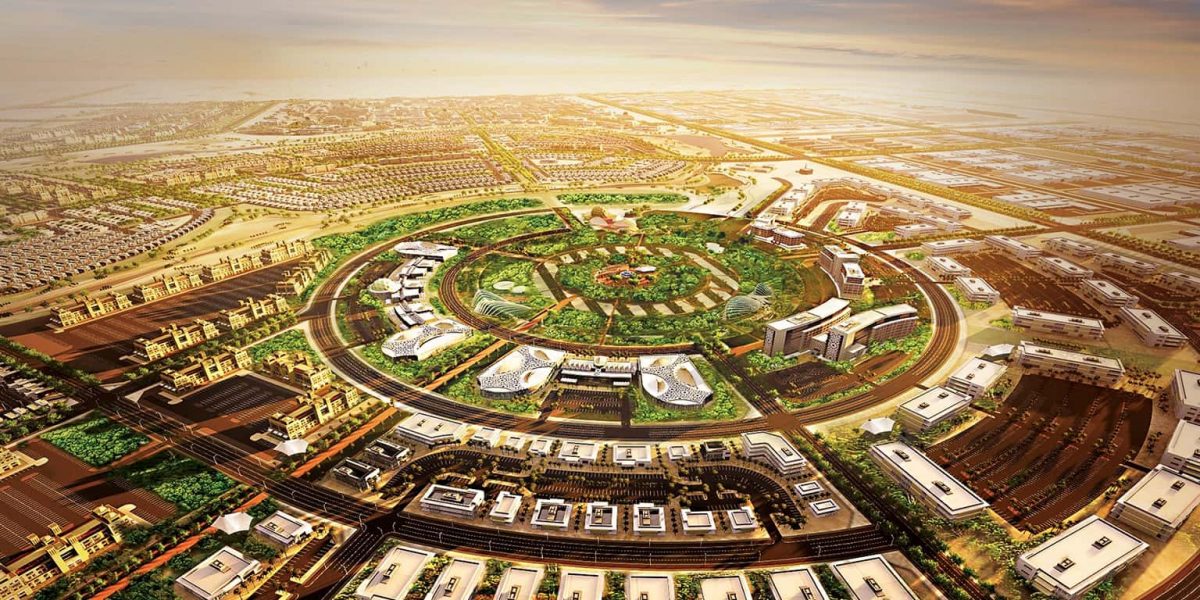
Innovation needs patient capital, and Saudi Arabia has more of it than any of its neighbours. The Public Investment Fund became one of the world's most active sovereign investors, funding everything from giga-projects to venture capital, while government programmes and new VC funds channelled money into startups.
This capital did something subtle but important: it removed money as the binding constraint on ambition. Founders, researchers, and enterprises in the Kingdom now operate in an environment where good ideas can be funded — a precondition for any innovation ecosystem, and one many regions never achieve.
- PIF as one of the world's most active sovereign investors
- New VC funds and accelerators backing local startups
- Government grants and R&D funding across sectors
- Giga-projects acting as demand engines for innovation
Talent: A Young, Trained Workforce
Ecosystems run on people. Saudi Arabia's demographic advantage — over 70% of the population under 35 — gave it raw potential, and Vision 2030's human-capital programmes turned that potential into skills through new university programmes, scholarships, and vocational training aligned to future industries.
The Kingdom also became a talent magnet, attracting returning Saudis and international experts drawn by opportunity and scale. This combination of home-grown and imported talent is exactly the mix that fast-growing innovation hubs need.
Regulation: Removing the Friction
Innovation dies in bureaucracy. Vision 2030 attacked that directly — digitising business setup, reforming foreign-ownership rules, creating special economic zones, and building regulatory sandboxes that let fintech and emerging technologies test safely. Starting and scaling a company in Saudi Arabia became dramatically easier.
These reforms matter because they compound. Each removed friction point makes the next venture faster to launch, which attracts more founders, which produces more ventures. Regulatory reform is the quiet engine that turned Saudi Arabia's capital and talent into an actual ecosystem.
- Digitised, fast business registration and licensing
- Relaxed foreign-ownership rules in key sectors
- Special economic zones with tailored incentives
- Regulatory sandboxes for fintech and emerging tech
The Ecosystem Comes Together
Capital, talent, and reform combined into a self-reinforcing ecosystem. Riyadh and other cities now host accelerators, VC firms, global tech offices, research centres, and a growing base of startups. The annual LEAP technology event became one of the world's largest, anchoring the Kingdom's position as a Gulf innovation hub.
Crucially, this is not concentrated in one sector. AI, fintech, gaming, biotech, clean energy, and advanced manufacturing all have Saudi innovation activity. That breadth is what distinguishes a genuine innovation capital from a single successful industry.

Frequently Asked Questions
How did Vision 2030 make Saudi Arabia the Gulf's innovation capital?
By combining three ingredients at scale: over $1 trillion in committed investment, a young trained workforce, and reforms that removed friction for founders and investors. When capital, talent, and regulation align, an innovation ecosystem forms — and Saudi Arabia is now the Gulf's top startup funding destination.
What makes an innovation ecosystem succeed?
It needs capital to fund ideas, talent to build them, and regulation that makes building easy. Saudi Arabia deliberately assembled all three under Vision 2030, which is why its ecosystem scaled faster than relying on any single factor.
Is Saudi Arabia now ahead of other Gulf states in startups?
Saudi Arabia has become the number-one destination for startup funding in the Gulf, powered by its large home market and sovereign capital. Other Gulf states retain strengths, but the Kingdom now leads on scale of investment and market size.
What role does talent play in Saudi innovation?
With 70% of the population under 35 and more than 60 new AI and data-science university programmes, Saudi Arabia is building the skilled workforce innovation depends on. A young, trained population is one of its biggest structural advantages.
Conclusion
Saudi Arabia became the Gulf's innovation capital because Vision 2030 assembled the ingredients innovation requires — capital, talent, and reform — and did it faster and at greater scale than any regional rival.
The result is durable because it is self-reinforcing: each success attracts more capital, talent, and ventures. For businesses, the Kingdom is now the place in the Gulf where ambitious ideas are most likely to find the support to become real.
How Elbetron Can Help
Services directly related to what you just read