It sounds like a paradox: the world's largest oil exporter positioning itself as a clean-energy leader. But Saudi Arabia's green-tech push is deliberate and substantial. Vision 2030 set ambitious renewable-energy targets, and the Kingdom is investing in solar, wind, green hydrogen, and the circular carbon economy at scale.
The logic is sound. Saudi Arabia has abundant sun, wind, and land, and the capital to build clean-energy infrastructure. Leading the energy transition — rather than being disrupted by it — is both an economic opportunity and a strategic necessity for a country whose current wealth comes from hydrocarbons.
This article explores Saudi Arabia's green-tech ambitions — the projects, the targets, and the crucial role technology and AI play in making clean energy work at scale.
The Data and AI Behind Clean Energy
Clean energy runs on data and intelligent systems. Elbetron builds the AI, analytics, and monitoring platforms that energy and sustainability organisations need to optimise clean-energy operations.
From energy analytics and emissions tracking to AI-powered optimisation, we help organisations make their sustainability and clean-energy initiatives measurable and effective.
As Saudi Arabia leads the clean-energy transition, Elbetron builds the intelligent systems that make it measurable and effective.
Solar and Renewable Power
Saudi Arabia has among the best solar resources on earth — intense sunlight, clear skies, and vast open land. Vision 2030 targets generating 50% of electricity from renewables by 2030, up from a tiny fraction in 2016, and the Kingdom is building some of the world's largest solar and wind projects to get there.
This is a dramatic transformation. Moving from near-total reliance on hydrocarbons for power to half renewables in under 15 years is one of the fastest energy transitions attempted anywhere. The scale of Saudi solar and wind investment reflects both the resource advantage and the seriousness of the commitment.

- 50% renewable electricity target by 2030
- Among the world's best solar resources
- Some of the largest solar and wind projects globally
- One of the fastest energy transitions attempted
Green Hydrogen: The Big Bet
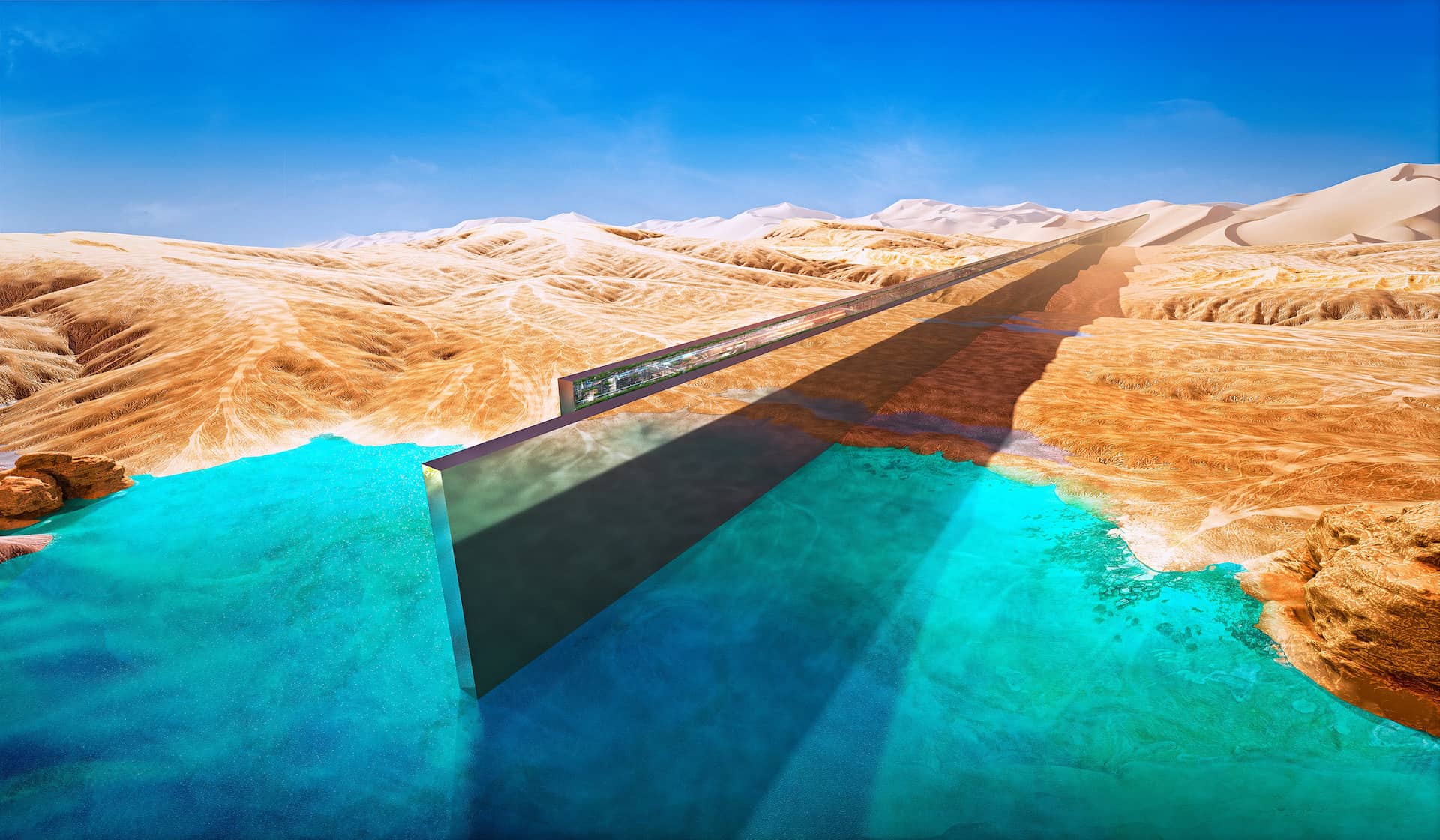
Saudi Arabia's boldest green-tech bet is green hydrogen — hydrogen produced using renewable energy, which can decarbonise industries that electricity alone cannot, like heavy transport and steel. NEOM is building one of the world's largest green-hydrogen plants, intended to export clean fuel globally.
Green hydrogen is strategically brilliant for Saudi Arabia. It lets the Kingdom leverage its energy expertise, infrastructure, and export relationships to become a leader in clean fuel — turning its position as an energy exporter from a liability in a decarbonising world into a continued advantage. It is the oil-to-clean-energy transition made concrete.
The Circular Carbon Economy
Saudi Arabia champions the 'circular carbon economy' — a framework of reducing, reusing, recycling, and removing carbon rather than simply eliminating fossil fuels overnight. This pragmatic approach acknowledges that the transition takes time while still driving serious decarbonisation through carbon capture, utilisation, and storage.
Technology is central to this. AI-powered emissions tracking, carbon-capture optimisation, and industrial-efficiency systems make the circular carbon economy measurable and manageable. For an economy still tied to hydrocarbons, these technologies are how Saudi Arabia reduces its carbon footprint while the broader transition unfolds.
- Reduce, reuse, recycle, and remove carbon
- Carbon capture, utilisation, and storage at scale
- AI-powered emissions tracking and optimisation
- Pragmatic decarbonisation during the transition
Why AI Is Essential to Clean Energy
Renewable energy has a hard technical problem: it is intermittent. The sun does not always shine and the wind does not always blow, yet the grid needs stable power. Managing a grid with high renewable penetration requires constant, real-time balancing of supply, demand, and storage — a task only AI can handle at scale.
This is why Saudi Arabia's clean-energy and AI ambitions reinforce each other. AI grid management, AI demand forecasting, and AI-optimised storage are what make a 50%-renewable grid reliable. Without advanced technology, ambitious renewable targets are unachievable — and Saudi Arabia has both the energy resources and the AI capability to combine them.

Frequently Asked Questions
What is Saudi Arabia's clean energy target?
Saudi Arabia targets 50% of its electricity from renewables by 2030, drawing on some of the world's best solar resources. This is paired with world-scale green hydrogen production and AI-managed grids to accelerate the energy transition.
What is green hydrogen and why is Saudi Arabia betting on it?
Green hydrogen is clean fuel made by splitting water using renewable electricity, producing zero carbon emissions. Saudi Arabia is building world-scale production at NEOM to become a leading exporter as global demand for clean fuel grows.
How does AI support clean energy in Saudi Arabia?
AI manages renewable grids in real time — balancing intermittent solar and wind supply with demand, and optimising storage. Because renewables are variable, AI is essential to running a stable, efficient clean-energy system at scale.
What is the circular carbon economy?
It is Saudi Arabia's framework for reducing, reusing, recycling, and removing carbon rather than simply eliminating fossil fuels. It combines renewables, carbon capture, and cleaner processes to cut emissions while maintaining energy output.
Conclusion
Saudi Arabia is turning an apparent paradox into a strategy: the world's largest oil exporter is investing at scale in solar, green hydrogen, and the circular carbon economy, aiming to lead the clean-energy transition rather than be disrupted by it.
Technology, and AI especially, is what makes it work — managing intermittent renewables, optimising carbon capture, and tracking emissions. For businesses in energy and sustainability, Saudi Arabia is becoming one of the world's most significant green-tech markets.
How Elbetron Can Help
Services directly related to what you just read