For decades, Saudi Arabia's economy could be summarised in one word: oil. It funded the state, employed the workforce, and shaped the Kingdom's place in the world. That dependence was also a vulnerability — and Vision 2030 is, at its core, a plan to reduce it.
The shift from oil to a diversified, technology-driven economy is one of the most consequential economic transformations underway anywhere. It is not about abandoning oil, but about building new engines of growth so the Kingdom's prosperity no longer rises and falls with the oil price.
This article tells the diversification story — why it matters, which sectors are being built, the numbers behind the progress, and why technology and AI are central to the whole endeavour.
The Technology Behind Diversification
Diversification depends on technology that makes non-oil sectors efficient and competitive. Elbetron builds that technology — AI, cloud, analytics, and ERP — for the Saudi organisations driving the new economy.
From tourism and retail to finance and manufacturing, we help enterprises modernise operations and compete in the knowledge-driven economy Vision 2030 is building.
As Saudi Arabia moves from oil to a knowledge economy, Elbetron provides the technology that makes non-oil sectors thrive.
Why Diversify at All?
The case for diversification is simple: an economy dependent on a single commodity is hostage to that commodity's price. When oil is high, the state prospers; when it falls, budgets tighten and plans stall. For a young, growing population that needs jobs and opportunity, that volatility is a strategic risk.
There is a longer-term concern too. The global energy transition means demand for oil will not grow forever. A country that builds new industries now — while it still has the oil wealth to fund them — is far better positioned than one that waits until it is forced to change.
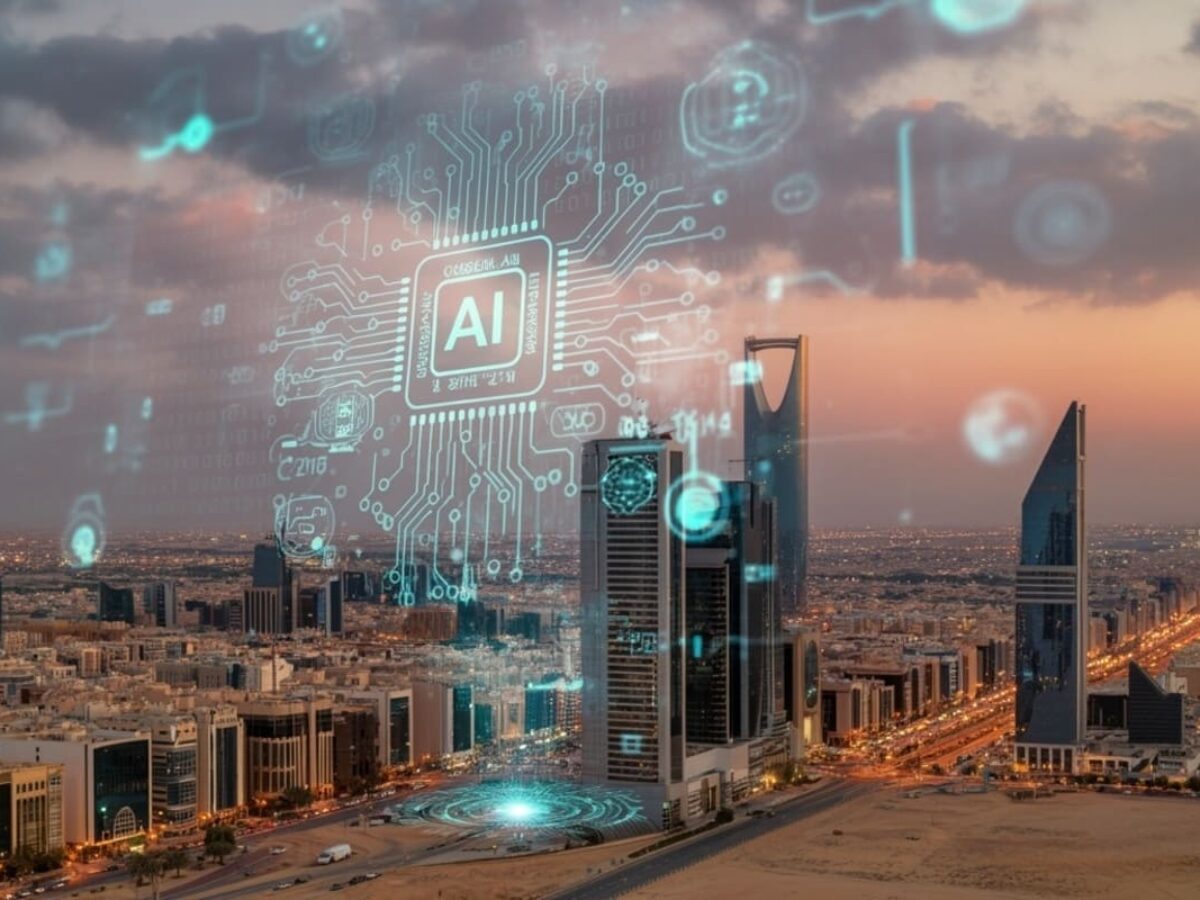
- Oil dependence ties the economy to a volatile price
- A young population needs new jobs and industries
- The global energy transition caps long-term oil demand
- Diversifying now, while oil wealth can fund it, is the smart window
The New Engines of Growth
Vision 2030's diversification is not a single bet but a portfolio. Tourism, once non-existent, is now a major sector with new destinations and millions of visitors. Entertainment and sport went from restricted to a growth industry. Logistics, mining, manufacturing, and financial services are all being expanded to create jobs and value beyond oil.
Technology sits across all of them. AI, cloud, and software are not just one sector among many — they are the tools that make the others competitive. A modern tourism sector, an efficient logistics network, and a digital financial system all depend on the technology layer the Kingdom is building.

- Tourism and entertainment — from zero to major sectors
- Logistics and mining — new export and job engines
- Financial services and fintech — a digital-first sector
- Technology and AI — the layer that powers all the others
Why Technology Is the Key
Diversification is often described in terms of new industries, but the deeper story is productivity. Oil generated enormous wealth with relatively few workers; new sectors must generate value through skill and efficiency. Technology — especially AI and automation — is how a diversifying economy achieves the productivity that makes non-oil sectors competitive.
This is why Saudi Arabia's AI investment is inseparable from its diversification. The $135 billion that AI is projected to contribute to GDP by 2030 is not a separate tech story; it is a core part of how the Kingdom replaces oil revenue with knowledge-driven growth.
The Numbers So Far
The progress is measurable. Non-oil activities now account for roughly half of GDP, non-oil revenue has grown substantially, and the private sector is expanding toward its target share. Female workforce participation more than doubled, and unemployment fell to record lows — all signs of an economy broadening beyond oil.
None of this means the job is done. Oil still dominates exports and government revenue, and the hardest gains lie ahead. But the direction is clear and the early results are real: Saudi Arabia is measurably less oil-dependent than it was when Vision 2030 began.

Frequently Asked Questions
Why is Saudi Arabia diversifying away from oil?
Relying on a single volatile commodity leaves an economy exposed to price swings and long-term decline in demand. Vision 2030 diversifies into technology, tourism, industry, and finance to build durable growth — with non-oil activities already around 50% of GDP.
What are the new engines of Saudi Arabia's economy?
The new engines are technology and AI, tourism and entertainment, advanced manufacturing, logistics, and finance. Technology is the connecting thread, with AI alone projected to add about $135 billion to GDP by 2030.
How much of Saudi Arabia's economy is now non-oil?
Non-oil activities already account for roughly half of GDP, and Vision 2030 targets a 65% private-sector contribution. These figures show diversification is producing measurable results, not just plans.
Why is technology central to diversification?
Technology raises productivity across every other sector — tourism, industry, healthcare and finance all run better on AI and digital infrastructure. That multiplier effect is why 'from oil to algorithms' captures the strategy so well.
Conclusion
Saudi Arabia's move from oil to algorithms is a deliberate, funded, and measurable transformation. Non-oil growth, new sectors, and a heavy bet on technology are steadily building an economy less exposed to the oil price.
The transition is not complete, and the hardest work remains. But the Kingdom has proven the strategy works — and technology, especially AI, is the engine carrying it forward.
How Elbetron Can Help
Services directly related to what you just read