The Gulf Cooperation Council states — Saudi Arabia, the UAE, Qatar, Kuwait, Bahrain, and Oman — are all investing in technology as a route to diversified, post-oil economies. It is a regional race, and for years the assumption was that smaller, nimbler states like the UAE and Qatar set the pace.
That assumption is being overturned. On the metrics that matter most for long-term technology leadership — absolute investment, market scale, compute, and national programmes — Saudi Arabia is increasingly outpacing the rest of the GCC.
This article explains why the Kingdom is pulling ahead, where other Gulf states still lead, and what the shift means for businesses across the region.
Technology Built for Gulf-Scale Ambition
As Saudi Arabia pulls ahead in Gulf tech investment, businesses need partners who understand how to build at the scale the Kingdom operates. Elbetron builds AI, cloud, and software for exactly that.
We help organisations deploy in Saudi Arabia's large market and expand across the GCC, with architectures and compliance designed for regional scale from the start.
Elbetron helps you turn the Gulf's shifting tech balance into your advantage — with Saudi Arabia as the anchor.
Sovereign Capital at Unmatched Scale
The clearest reason Saudi Arabia is outpacing the GCC is capital. The Public Investment Fund is among the largest and most active sovereign wealth funds in the world, and the Kingdom has committed sums to AI and technology — including a $100 billion national AI pledge — that dwarf what smaller Gulf states can deploy.
Scale of capital matters because frontier technology is capital-intensive. Building sovereign compute, funding giga-projects, and attracting global firms all require sustained investment at a level only the largest players can sustain. In the GCC, that increasingly means Saudi Arabia.
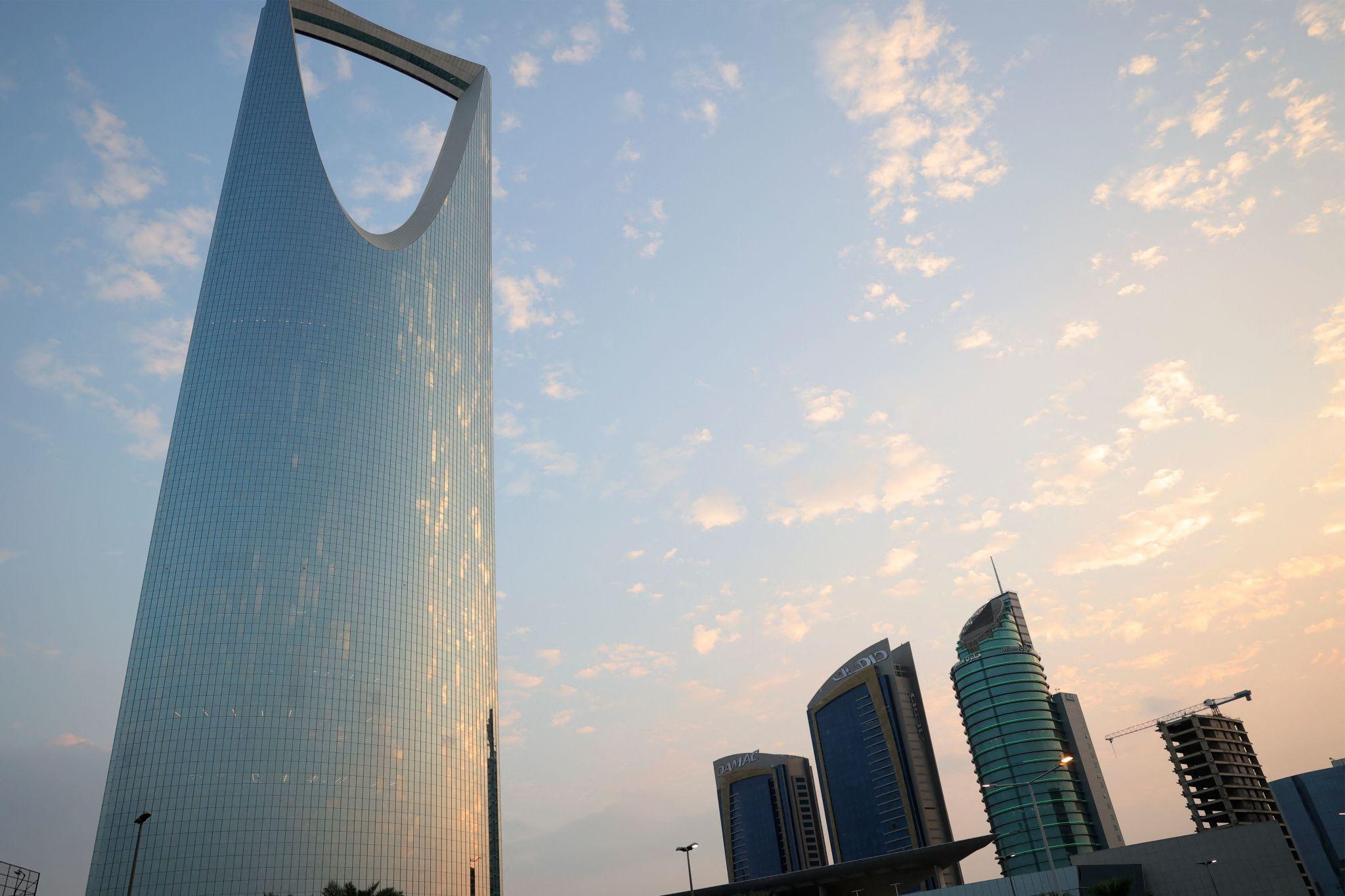
- PIF among the world's largest sovereign investors
- $100 billion national AI commitment
- Giga-projects generating vast technology demand
- Capacity to fund capital-intensive frontier tech
The Largest Home Market in the Gulf
Saudi Arabia is by far the most populous GCC state, with a domestic market several times larger than the UAE or Qatar. That scale is a decisive advantage: technology invested in the Kingdom has a bigger home market to serve, which improves returns and attracts firms that want access to Gulf demand at scale.
A large domestic market also means deployment happens at scale. A national AI programme or digital-government platform in Saudi Arabia reaches tens of millions of users, generating the data, feedback, and revenue that smaller markets cannot match. Scale compounds.

National Programmes vs Point Bets
Other Gulf states have made smart, focused technology bets. Saudi Arabia's distinction is the breadth and coordination of its national programmes: SDAIA governing data and AI, HUMAIN building sovereign compute, and Vision 2030 aligning the whole of government behind the strategy.
This whole-of-nation approach means technology investment in Saudi Arabia is not a series of isolated projects but a coordinated national effort. That coordination — backed by capital and market scale — is what turns investment into durable leadership rather than one-off wins.
- SDAIA: unified national data and AI governance
- HUMAIN: sovereign compute at hyperscale
- Vision 2030: whole-of-government alignment
- Coordinated programmes rather than isolated projects
Where Others Still Lead
Outpacing the GCC does not mean dominating every metric. The UAE remains ahead on openness, ease of doing business, and per-capita technology intensity, and is a formidable hub for global firms and talent. Qatar and Bahrain have strong, focused digital-economy strategies of their own.
The honest picture is a Gulf where Saudi Arabia leads on scale while others lead on agility and specialisation. For businesses, that means the smart strategy is regional — anchored in the Kingdom's scale while leveraging the strengths of its neighbours.

Frequently Asked Questions
Why is Saudi Arabia outpacing the GCC in tech investment?
Saudi Arabia deploys sovereign capital at unmatched scale — a $100 billion AI commitment and over $1 trillion in giga-projects — backed by the Gulf's largest home market of ~35 million. It funds coordinated national programmes rather than isolated bets, which compounds its lead.
How does Saudi Arabia's market size help its tech sector?
At ~35 million people, Saudi Arabia has the largest domestic market in the GCC, giving tech products more users and data before regional expansion. A big home market lets companies reach scale faster than in smaller Gulf states.
What is the difference between national programmes and point bets?
National programmes coordinate investment across data, compute, models, and skills as one system, while point bets fund isolated projects. Saudi Arabia's programme-led approach builds a full ecosystem, which is more durable than scattered investments.
Where do other GCC states still lead?
Other Gulf states, notably the UAE, still lead on ease of doing business, international openness, and early-mover advantages in some technologies. Saudi Arabia leads on scale of capital and market, but not on every dimension.
Conclusion
Saudi Arabia is outpacing the GCC in technology investment because it combines the three things that compound: unmatched sovereign capital, the region's largest market, and coordinated national programmes. Other Gulf states still lead on agility and specialisation, but the balance of scale is shifting decisively toward the Kingdom.
For businesses, the implication is to build with Saudi Arabia at the centre of a regional strategy — because the Gulf's largest and fastest-growing technology opportunity is increasingly there.