If you asked anyone a few years ago to name the Middle East's tech capital, the answer was instant: Dubai. It had the ecosystem, the openness, the global connectivity, and the head start. But a serious challenger has emerged next door, and it is not slowing down.
Riyadh, backed by Saudi Arabia's scale and sovereign capital, is closing the gap fast — and on several metrics has already moved ahead. This is no longer a one-city story; it is a genuine contest for the title of the region's tech capital.
This article compares Riyadh and Dubai across the dimensions that define a tech capital — investment, talent, ecosystem, market, and quality of life — and assesses where the balance is heading.
A Saudi Tech Partner With Regional Reach
As Riyadh rises as a tech capital, businesses need partners rooted in the Saudi market but able to build for the whole region. Elbetron is exactly that.
We build AI, cloud, and software from within the Saudi ecosystem, designed to deploy in the Kingdom and scale across the Gulf.
Whether you anchor in Riyadh, Dubai, or both, Elbetron gives you a Saudi-rooted partner with regional reach.
Dubai: The Incumbent
Dubai earned its position. It built a business-friendly environment years ahead of its neighbours, with free zones, minimal bureaucracy, world-class connectivity, and a lifestyle that attracts global talent. It became the natural regional HQ for multinationals and the launchpad for Gulf startups.
Dubai's strengths are real and durable: openness, ease of doing business, a mature ecosystem, and a global brand. For a founder or a multinational wanting frictionless access to the region, Dubai remains an obvious choice — and it continues to invest heavily to stay ahead.
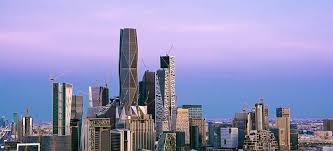
- Years-long head start and mature ecosystem
- World-leading ease of doing business
- Global connectivity and lifestyle appeal
- Established regional HQ for multinationals
Riyadh: The Challenger
Riyadh's rise is powered by scale. Saudi Arabia's sovereign capital, $100 billion AI commitment, and the largest domestic market in the Gulf give Riyadh resources Dubai cannot match. The Kingdom is also actively requiring regional HQs to be based in Saudi Arabia to access government contracts — a powerful pull.
Riyadh has moved fast to close the ecosystem gap: new business reforms, special economic zones, the LEAP tech event, and a wave of global firms opening offices. What Riyadh may still lack in frictionless ease, it increasingly makes up for in scale, capital, and momentum.
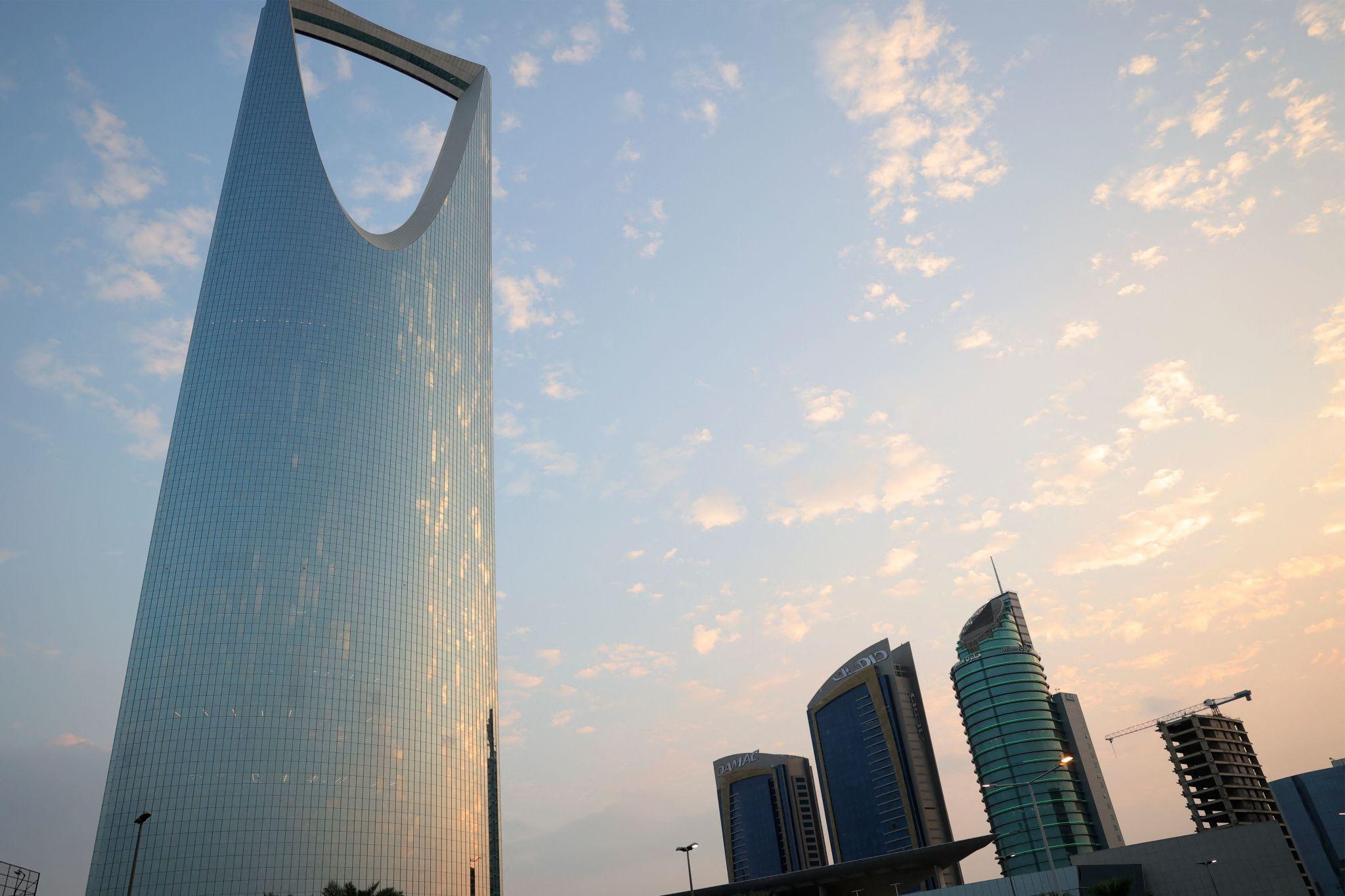
- The Gulf's largest domestic market by far
- Unmatched sovereign capital and AI investment
- Regional-HQ requirements pulling in multinationals
- Fast-improving reforms and rising global presence
Head to Head
On ease of doing business, lifestyle, and openness, Dubai still leads. On market scale, capital, and long-term growth potential, Riyadh leads. On talent, Dubai has the established pool while Riyadh has the faster-growing pipeline. On ecosystem maturity, Dubai is ahead but Riyadh is closing the gap quickly.
The honest verdict is that the two cities are increasingly complementary rather than simply competitive. Many firms now maintain a presence in both — Dubai for regional agility and access, Riyadh for scale and proximity to the Gulf's largest market and government demand.
Where the Balance Is Heading
The trajectory favours Riyadh on the metrics that compound. Market scale, sovereign capital, and government demand are structural advantages that grow over time, and Saudi Arabia's requirement that regional HQs be based in the Kingdom is steadily shifting corporate presence toward Riyadh.
Dubai will not cede its position easily and remains a world-class hub. But the likely future is two capitals, not one — Dubai as the open, agile regional gateway, and Riyadh as the large-scale centre of gravity. For businesses, the smart move is to engage both, with a clear view of which strengths each offers.

Frequently Asked Questions
Is Riyadh or Dubai the Middle East's tech capital?
Dubai is the incumbent, leading on ease of doing business and international openness, while Riyadh is the fast-rising challenger backed by a ~35 million market and $100 billion in AI investment. Dubai leads today on maturity, but Riyadh is closing the gap on scale.
What are Riyadh's advantages over Dubai?
Riyadh's key advantages are a much larger domestic market (~35 million vs ~10 million), massive sovereign capital, and a $100 billion national AI push. This scale lets companies reach commercial size within the home market before expanding.
What are Dubai's advantages over Riyadh?
Dubai leads on ease of doing business, established international connectivity, a mature expat ecosystem, and a long head start as a regional business hub. For many global firms, it remains the easiest entry point to the region.
Which city will win the regional tech race?
Rather than one winner, the likely outcome is complementary strengths — Dubai as the open regional gateway and Riyadh as the scale-and-capital powerhouse. The balance is shifting toward Riyadh as Saudi Arabia's investments mature.
Conclusion
The battle for the Middle East's tech capital is real, and it is close. Dubai leads on openness and maturity; Riyadh leads on scale, capital, and market size. The two cities are becoming complementary poles of a two-capital region.
But on the metrics that compound over time, the balance is shifting toward Riyadh. For businesses, the winning strategy is to treat both cities as strengths — while recognising that the Gulf's centre of gravity is moving toward the Kingdom.
How Elbetron Can Help
Services directly related to what you just read